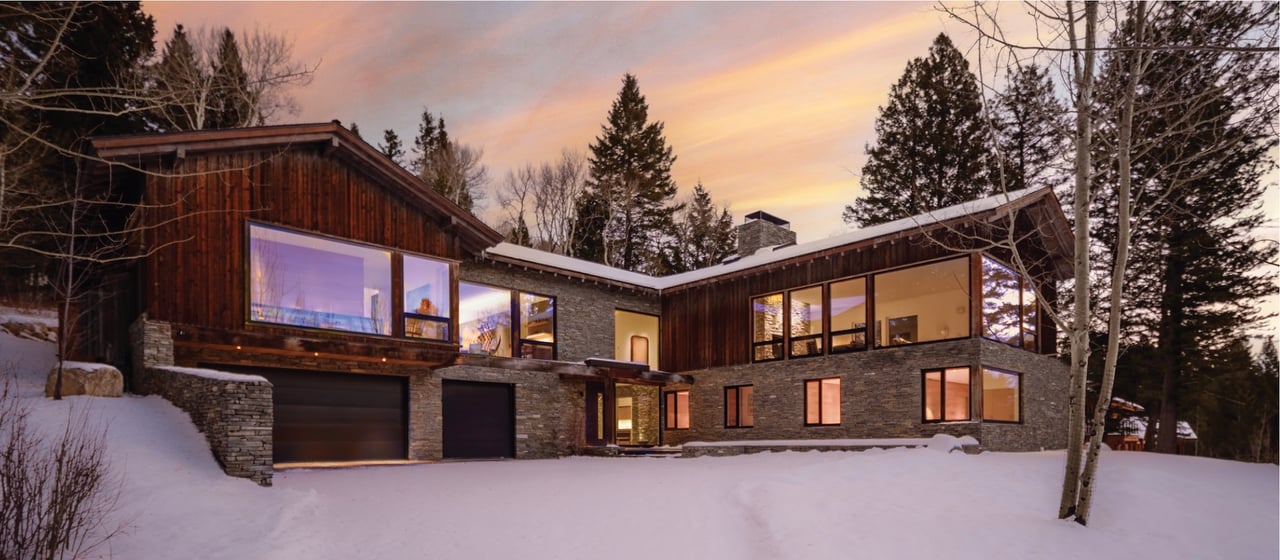
As colder months approach, preparing a property for winter is one of the most important steps a homeowner can take. Winterizing ensures that the home remains comfortable, energy-efficient, and safe, even in harsh conditions. Neglecting this process can lead to costly repairs, higher utility bills, and unnecessary wear on essential systems. With a few strategic measures, homeowners can safeguard their investment and enjoy peace of mind all winter long.
Inspect and Service Heating Systems
One of the most critical components of any home during the winter season is the heating system. Before temperatures drop, it is essential to have the furnace or boiler inspected and serviced by a professional. Routine maintenance helps identify minor issues before they escalate and ensures the system operates at maximum efficiency. Replacing filters regularly and cleaning vents also improve air quality and prevent unnecessary strain on the system.
For homes with fireplaces or wood-burning stoves, chimney inspections are equally important. Creosote buildup can create a fire hazard, while structural issues may allow drafts or smoke to enter living spaces. Ensuring heating systems are in peak condition is a vital step when considering how to winterize a home.
For homes with fireplaces or wood-burning stoves, chimney inspections are equally important. Creosote buildup can create a fire hazard, while structural issues may allow drafts or smoke to enter living spaces. Ensuring heating systems are in peak condition is a vital step when considering how to winterize a home.
Seal Gaps and Improve Insulation
Drafts and poor insulation are some of the leading culprits behind high heating bills. Homeowners should inspect windows, doors, and walls for cracks or gaps that allow cold air to seep in. Weatherstripping and caulking are cost-effective solutions that can make an immediate difference. For larger gaps, expanding foam insulation may be the best option.
Attics and basements are common areas where insulation is insufficient. Adding extra insulation in these spaces reduces heat loss and creates a more consistent indoor temperature. This not only lowers utility costs but also increases comfort throughout the season.
Attics and basements are common areas where insulation is insufficient. Adding extra insulation in these spaces reduces heat loss and creates a more consistent indoor temperature. This not only lowers utility costs but also increases comfort throughout the season.
Protect Plumbing Systems
Frozen pipes are one of the most common and expensive winter emergencies. To prevent this, exposed pipes in unheated areas such as basements, crawl spaces, and garages should be wrapped with pipe insulation. In extreme conditions, heat tape or heating cables may provide additional protection.
Outdoor hoses should be disconnected, drained, and stored for the season. Exterior faucets must be shut off and winterized to prevent ice from expanding inside the pipes. Taking these preventive measures ensures plumbing systems function properly all winter long.
Outdoor hoses should be disconnected, drained, and stored for the season. Exterior faucets must be shut off and winterized to prevent ice from expanding inside the pipes. Taking these preventive measures ensures plumbing systems function properly all winter long.
Prepare the Exterior of the Home
The exterior of a property faces the brunt of winter weather, making it essential to prepare in advance. Roof inspections help identify damaged shingles or leaks that could allow water intrusion. Gutters should be cleaned thoroughly to prevent ice dams, which can cause water to back up under shingles and damage the structure.
Driveways and walkways may also need attention before snow and ice arrive. Sealing cracks prevents water from seeping in and expanding when it freezes. Stocking up on ice melt and ensuring snow removal equipment is in working order will make winter maintenance easier and safer.
Driveways and walkways may also need attention before snow and ice arrive. Sealing cracks prevents water from seeping in and expanding when it freezes. Stocking up on ice melt and ensuring snow removal equipment is in working order will make winter maintenance easier and safer.
Maintain Proper Ventilation
While sealing drafts is important, homeowners must also ensure that ventilation systems remain unobstructed. Proper ventilation reduces moisture buildup, which can lead to mold and mildew issues during the colder months. Bathroom fans, kitchen vents, and attic ventilation all play a role in keeping air quality healthy.
For homes with older windows, installing storm windows or using window insulation kits can add another layer of protection while still allowing ventilation as needed. Balancing insulation and airflow helps preserve the home’s structure and indoor comfort.
For homes with older windows, installing storm windows or using window insulation kits can add another layer of protection while still allowing ventilation as needed. Balancing insulation and airflow helps preserve the home’s structure and indoor comfort.
Check Safety Devices and Supplies
Winter often increases the risk of emergencies such as power outages or severe weather conditions. Smoke detectors and carbon monoxide alarms should be tested and supplied with fresh batteries. Since heating systems and fireplaces will be in heavier use, having functional safety devices is non-negotiable.
It is also wise to keep an emergency kit stocked with flashlights, extra batteries, blankets, and non-perishable food items. Portable generators should be serviced and operated safely outside of enclosed spaces. Preparedness ensures homeowners can handle unexpected challenges without unnecessary stress.
It is also wise to keep an emergency kit stocked with flashlights, extra batteries, blankets, and non-perishable food items. Portable generators should be serviced and operated safely outside of enclosed spaces. Preparedness ensures homeowners can handle unexpected challenges without unnecessary stress.
Focus on Energy Efficiency
Winterizing is not just about safety and protection; it is also an opportunity to enhance a home’s energy efficiency. Smart thermostats, for example, allow homeowners to program heating schedules and optimize energy use. Ensuring that ceiling fans rotate clockwise helps push warm air downward, maintaining a consistent indoor temperature.
Simple steps such as using heavy curtains or thermal window coverings can also reduce heat loss. By combining these strategies, homeowners can enjoy a warm environment while reducing energy costs. These measures form an integral part of understanding how to winterize a home effectively.
Simple steps such as using heavy curtains or thermal window coverings can also reduce heat loss. By combining these strategies, homeowners can enjoy a warm environment while reducing energy costs. These measures form an integral part of understanding how to winterize a home effectively.
Outdoor Spaces and Landscaping
While the focus is often on the house itself, outdoor spaces also benefit from winter preparation. Decks, patios, and outdoor furniture should be cleaned and covered or stored. Failing to do so can shorten their lifespan and require costly replacements.
Landscaping may also require attention. Trimming overhanging branches prevents them from breaking under the weight of snow and damaging the home. Sprinkler systems should be drained and shut off to avoid pipe damage. Preparing the yard not only protects the property but also makes spring cleanup easier.
Landscaping may also require attention. Trimming overhanging branches prevents them from breaking under the weight of snow and damaging the home. Sprinkler systems should be drained and shut off to avoid pipe damage. Preparing the yard not only protects the property but also makes spring cleanup easier.
Schedule Professional Inspections
Although many winterizing tasks can be handled independently, professional inspections offer added peace of mind. Roofing contractors, HVAC specialists, and plumbers can identify problems that may not be visible to the untrained eye. Investing in professional evaluations now can prevent costly repairs later.
Even newer homes benefit from a seasonal check-up. Regular attention to maintenance details extends the lifespan of major systems and preserves the overall value of the property. This proactive approach demonstrates the importance of knowing how to winterize a home thoroughly.
Even newer homes benefit from a seasonal check-up. Regular attention to maintenance details extends the lifespan of major systems and preserves the overall value of the property. This proactive approach demonstrates the importance of knowing how to winterize a home thoroughly.
Invest in Protecting a Valuable Investment
Winterizing a home is not merely about comfort; it is about protecting one of life’s largest investments. From heating and plumbing to insulation and safety, each step contributes to the overall durability and efficiency of the property. By taking a proactive approach, homeowners can enjoy the colder months with confidence, knowing they have safeguarded their home against potential challenges.
For personalized guidance on preparing a property for the winter season or to discuss real estate needs, prospective clients are encouraged to reach out to JH Property Group. Whether you're considering Jackson Hole homes for sale or already own property in the area, proper winterization is essential to maintaining your investment.
For personalized guidance on preparing a property for the winter season or to discuss real estate needs, prospective clients are encouraged to reach out to JH Property Group. Whether you're considering Jackson Hole homes for sale or already own property in the area, proper winterization is essential to maintaining your investment.